
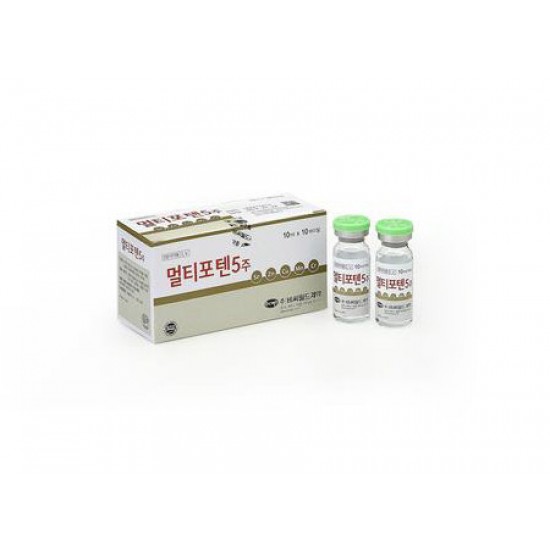
Description
1. Warning
1) Benzyl alcohol has been reported to be associated with fatal respiratory symptoms in premature infants.
2) Do not administer directly without dilution, as there is a risk of phlebitis.
3) This product is a low osmotic solution, so it is used only for mixed injections.
4) If toxicity occurs due to any one ingredient, discontinue immediately.
5) Since parenteral nutritional solutions contain aluminum, toxic levels may be reached with prolonged parenteral administration when renal function is reduced. This is especially dangerous for premature infants, who have immature kidneys.
2. Do not use in the following patients:
Newborns, premature infants (Contains benzyl alcohol.)
3. Adverse reactions
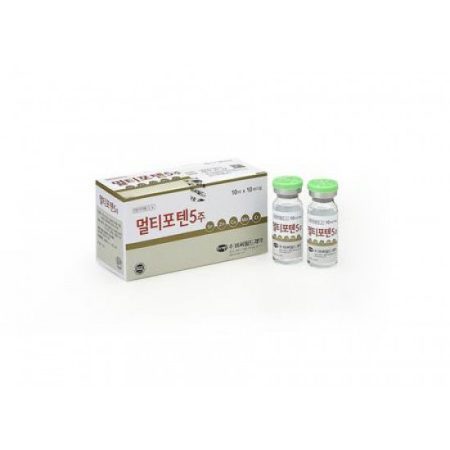
The amount of zinc, copper, manganese, chromium and selenium contained in this drug is very small, so it is unlikely that toxic symptoms will occur at the prescribed dose.
4. General precautions
1) Before injection, the physician should determine the patient’s pathological condition and metabolic needs. Frequent monitoring of the five trace elements in plasma is necessary to adjust the dose.
2) Zinc is excreted through the intestines and kidneys, so zinc retention may occur in patients with renal insufficiency.
3) Since copper and manganese are excreted in bile, their retention may occur in patients with biliary obstruction.
4) An auxiliary route of manganese secretion is the pancreatic fluid, reabsorption also occurs in the duodenum, jejunum and ileum.
5) Chromium is excreted primarily via the kidneys. In addition, since chromium affects the maintenance of normal glucose homeostasis, it is necessary to consider whether the patient has diabetes, and in the case of diabetes, it is necessary to confirm whether the patient is taking oral or parenteral antidiabetic drugs.
6) Selenium is excreted via urine and feces, so the dosage of selenium must be adjusted in case of renal dysfunction or gastrointestinal disorders. For patients receiving blood transfusions, the effects of blood transfusion must be taken into account.
In animal experiments, selenium enhanced the effect of vitamin E and reduced the toxicity of mercury, cadmium and arsenic.
5. Administration to pregnant women.
1) Adverse developmental effects have been reported when high doses of selenium (15-30 mcg/egg) were administered to chickens, but no studies have been conducted in pregnant women.
2) Selenium has been reported to be present in the placenta and cord blood of pregnant women.
3) Since safety during pregnancy has not been established, administration to pregnant women or women who may become pregnant should only be considered if the therapeutic benefit is considered to outweigh the potential risks.
6. Treatment of overdose.
1) No toxicity has been observed when 1 to 2 mg zinc/kg body weight was administered intravenously to adult patients with leukemia. However, when 10 mg was administered to an adult patient over 1 hour, the plasma zinc concentration was 207 μg/mL on the 4th day and symptoms such as hyperhidrosis, decreased consciousness, blurred vision, tachycardia (140 bpm) and severe hyperesthesia appeared. Symptoms of acute toxicity (34.6 ℃) were reported, but the symptoms resolved within 3 hours. Hyperamylasemia may be a sign that high zinc intake is imminent. When excessive parenteral nutrition (PN) was inadvertently administered (25 mg/L zinc, 50-70 mg zinc per day), hyperamylasemia (557-1850 Klein units, normal value 130 to 310) occurred.
A 72-year-old patient died after an overdose of 1683 mg zinc over 60 hours. Symptoms of zinc toxicity were low blood pressure (80/40 mmHg), pulmonary edema, diarrhea, vomiting, jaundice and decreased urine output, and the plasma zinc concentration was 4184 μg/100 ml.
Calcium supplements are known to have a preventive effect against zinc toxicity. The normal plasma zinc concentration is about 88-112 μg/100 ml.
2) Symptoms of copper toxicity include collapse, behavioral changes, diarrhea, progressive wasting, hypotension, flares and peripheral edema, and these symptoms were reported when the plasma copper concentration was 286 μg/100 ml.
D-penicillamine is an effective antidote, the normal plasma copper concentration is about 80-160 μg/100 ml.
3) Symptoms of manganese toxicity in patients receiving parenteral nutrition at the prescribed dose are unknown. Manganese toxicity from excessive intake of manganese through food or beverages is also unknown.
4) Symptoms of chromium toxicity include nausea, vomiting, ulcers, gastrointestinal disturbances, kidney disease, liver disease, and central nervous system disturbances leading to seizures and coma. No toxicity was observed when trivalent chromium was administered at a dose of 250 µl per day for 2 weeks to patients receiving parenteral nutrition. When administered intravenouslyand trivalent chromium acute LD50 is 10 to 18 mg/kg.
5) Chronic selenium toxicity has been reported in the literature due to industrial conditions, consumption of food grown in selenium-containing soil, selenium-contaminated water, and use of selenium-containing cosmetics. Symptoms of toxicity include hair loss, weakening of nails, dermatitis, tooth damage, gastrointestinal disturbances, nervousness, depression, metallic taste, vomiting, and garlic odor of sweat and breath. Acute toxicity due to excessive selenium intake results in death along with histopathological changes such as fulminant peripheral vascular collapse, intravascular congestion, pulmonary hemorrhage, congestion and edema, pigmentation of the gastric mucosa (red-brick color), and coma before death. appeared. There is no suitable antidote for selenium poisoning, and the normal plasma selenium concentration is approximately 10 to 37 μg/100 ml.
7. Precautions for use
1) Do not use unless directed by a physician.
2) When adding the product to a parenteral nutrition solution, it is advisable to do so in a laminar flow to maintain sterile conditions.
3) If it is possible to check the solution and container, check for discoloration or particulate matter before administering the solution.
4) The trace minerals contained in this product are physically safe when used with the electrolytes and vitamins present in the amino acid/glucose solution used as a parenteral nutrition solution.
8. Precautions for storage
1) Store the product in its package at room temperature in a dry place.
2) Keep out of reach of children.
3) Replacing it with another container may cause an accident or is undesirable from the point of view of maintaining quality.


Reviews
There are no reviews yet.